The Complete Guide to Healthcare Payment Automation
Streamline your payment processes, reduce friction, and improve collection rates with smart automation strategies.
Emily Chen
Patient Experience Lead
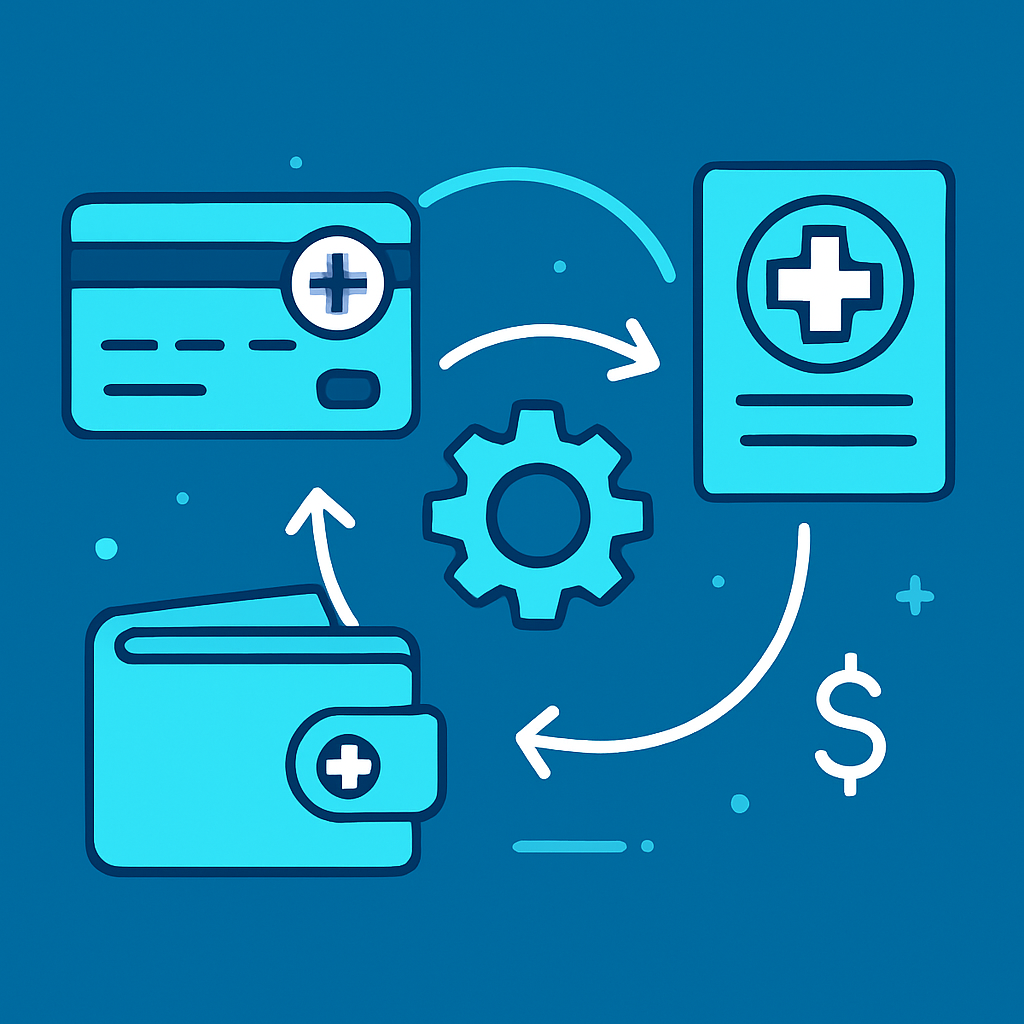
Payment collection is often the most challenging aspect of running a cash-pay practice. Unlike insurance-based practices, you're collecting directly from patients, which requires a delicate balance between efficiency and patient experience.
The Payment Collection Challenge
Cash-pay practices typically face:
- Extended collection cycles (often 30-60+ days)
- Awkward payment conversations
- Manual invoice generation and tracking
- Limited payment flexibility
- High administrative overhead
Building an Automated Payment System
1. Transparent Pricing
Automation begins with clarity. Patients should understand costs before their appointments. Implement:
- Online treatment pricing calculators
- Automated pre-visit cost estimates
- Clear payment policy communications
- Treatment package pricing
2. Frictionless Checkout
The easier you make it to pay, the faster you'll collect. Key elements include:
- Multiple payment methods (card, bank transfer, digital wallets)
- Stored payment information for repeat patients
- One-click payment for known amounts
- Mobile-optimised payment pages
3. Intelligent Financing Options
For larger treatments, offering financing can significantly improve conversion. AI can:
- Determine which patients might benefit from financing
- Present options at the optimal time
- Automate the application and approval process
- Manage ongoing payment plans
4. Automated Follow-Up
When payments are delayed, timely follow-up is essential. Automation should handle:
- Payment reminder sequences
- Escalation based on delay duration
- Multiple communication channels
- Staff alerts for accounts requiring personal attention
Results to Expect
Practices implementing comprehensive payment automation typically see:
- <strong class="text-foreground">30-50% reduction</strong> in collection cycle time
- <strong class="text-foreground">20% improvement</strong> in collection rates
- <strong class="text-foreground">60% reduction</strong> in payment-related administrative time
- Higher patient satisfaction with payment experience
Emily Chen
Patient Experience Lead
Part of the Medavse team dedicated to transforming healthcare through AI. Passionate about helping practices deliver better patient care while building sustainable businesses.